Cowboy Font for Handmade Creations
It was a quiet afternoon in my workshop, the kind where sunlight filters through the window just right and the scent of fresh ink fills the air. I was working on a new batch of candle labels, trying to find the perfect font that would match the rustic charm of the product. That’s when I first saw Cowboy. The moment I typed out “Handcrafted Candles” in this display font, something clicked. It had the right amount of character—bold yet friendly, classic yet modern.
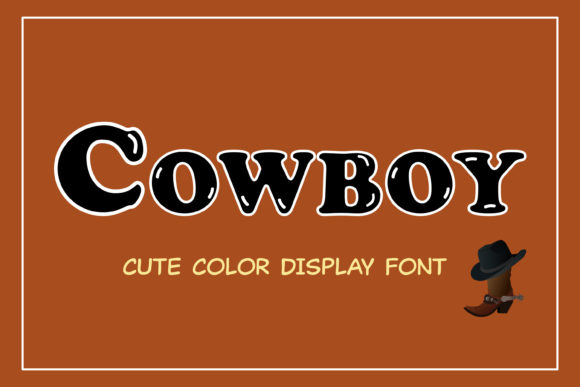
Cowboy is more than just a font; it’s a storytelling tool. With its bouncy curves and playful serifs, it feels like a hand-painted sign from a small town shop. Whether I’m designing greeting cards, wedding invitations, or seasonal tags, this typeface adds a touch of personality that makes every creation feel more personal and intentional.
Bringing Cowboy to Life on Real Products
I’ve used Cowboy across a variety of handmade items, and each time it brings a unique energy to the project. On candle labels, it gives the impression of a cozy, homemade vibe. For birthday invitations, it adds a fun and whimsical flair that makes guests excited to attend. Even on simple boutique tags, it elevates the overall look and makes the products feel more premium.
One of my favorite uses has been for printable wall art. When I designed a set of farmhouse-style quotes, Cowboy helped bring the words to life in a way that felt both elegant and approachable. The font’s natural flow made the text easy to read while still standing out against the background.
For those who work with cutting machines like Cricut or Silhouette, I’ve found that Cowboy cuts cleanly and consistently. Its bold strokes make it ideal for stickers, even on smaller sizes. I’ve tested it on holiday tags and found that it holds up well, maintaining its charm even at tiny dimensions.
Font Pairing and Design Tips
While Cowboy shines as a standalone display font, pairing it with other typefaces can create stunning visual harmony. I often use it with a clean sans serif font for body text, like Helvetica or Arial. This combination works especially well for packaging design or digital printables, where readability is key but style still matters.
If I’m working on something more decorative, like a wedding invitation suite, I might pair Cowboy with a script font for accents or signatures. The contrast between the two fonts adds depth without overwhelming the design.
Before finalizing any project, I always check the font’s included styles, alternates, and ligatures. Cowboy comes with a range of options that allow for subtle variations in letterforms, which is great for creating custom designs. It also supports multiple languages, making it versatile for international audiences or multilingual projects.
Choosing the Right Use for Cowboy
Cowboy is best suited for short phrases, names, titles, and decorative wording. It doesn’t lend itself well to long paragraphs, which is why I usually reserve it for headlines, logos, and callouts. For example, I used it on a line of mugs that say “Morning Made Better” and it added exactly the right tone—friendly and inviting.
When it comes to product presentation, the right font can make all the difference. Using Cowboy on tote bags or shirts helps reinforce brand identity and creates a sense of familiarity with customers. It’s also a great choice for shop branding, whether you’re using it on signage or social media graphics.
I’ve noticed that customers respond positively to the emotional appeal of Cowboy. It feels authentic and handmade, which aligns perfectly with the ethos of many crafters and small business owners. It’s not just a font—it’s a voice for your brand.
Final Notes on Using Cowboy
Before selling any physical products, templates, or digital downloads that use Cowboy, be sure to review the commercial licensing terms. It’s important to ensure that you have the right to use the font for your intended purpose, whether it’s for print, web, or merchandise.
Whether you're designing a label, a sticker, or a full packaging concept, Cowboy offers a creative edge that can transform your work. It’s a font that feels like a trusted companion in the creative process—one that adds charm, character, and a little bit of magic to every project it touches.